Children who grow up with divorced parents may often have different upbringings, often from within the same households, with the same parents.
As of 2023, the divorce rate has gone down from the year 2000, according to data from the Centers for Disease Control, but that doesn’t mean the children who deal with this dilemma are out of the woods.
Kelsey Montero grew up in a divorced household, often splitting time between her mom and dad’s homes, and often being at a different spot than her brother, which she says, led to being raised slightly differently.
“When I was 16, I wanted to get away from my mom’s house. So, I moved with my dad full time, while my brother still went with my mom for two weeks and my dad for two weeks. It definitely had an effect on how different we were raised,” she said.
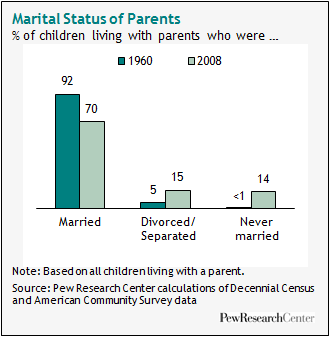
According to Pew Research Center data, in 1960, the percentage of children living with a parent who was divorced or separated was 5%, but that number rose to 15% by 2008.
Montero said she wanted to get away from her mother’s house due to who she was married to at the time. Something she thinks affected how her brother was raised differently from herself.
“My brother wasn’t a bad kid, but he was made out to be by my mom’s ex-husband. He turned my mom against him, and she actually wound up forcing him to go live with my dad,” she said. “I was already in college and moved out by then, but that 100% had a negative effect on how he went about his life after that.”
Aside from personal experience, Montero sees how this affects children from another perspective, as a fifth-grade math teacher.
A constant shift in routine, emotional well-being, and physical well-being can negatively affect a child’s education.
“I try to pay attention to the children who live in divorced homes. On the days that they shift houses, I try to give them a little extra attention because I remember how hard that was for me and my brother,” she said.
For Erica Garner, a special education teacher with a degree in social work, she sees just how much the outside world can affect students on campus.
“Currently working with junior high students they are already so susceptible to mental health issues from the outside world that is only exasperated by the social media age,” Garner said. “The home, which ideally should be a safe space for them to be themselves, being unstable is going to cause them to feel even more marginalized. How they are spoken to at home is going to impact how they view themselves. How conflict is dealt with at home is going to influence the way they approach problems themselves.”
It’s important to recognize how divorce impacts a child’s life emotionally and mentally. Getting them the help and support they need is imperative to their well-being.
“Children can have different reactions to stressors in the home. Some will overcompensate for chaos in the home by trying to maintain control over other areas of their life. Some will act out in an effort to get attention, because any attention, even negative, is better than no attention,” Garner said.
Children require understanding, patience, and guidance as it is. Adding in growing up in a broken home only amplifies the amount of attention a child could need.
Similar to Montero, Garner said she also tries to pay attention to students who have a known issue in their home that can be stressful for them and therefore impact their attitude or mood at school.
Whether those stressors are physical or mental, we have to give each student or child enough individual attention to help them navigate their issues. This will help to give them the best path to not only a good education, but a good childhood in and outside of school.
 Inside Family Dynamics
Leave a comment